Native Plant Landscaping: A Guide to Thriving Local Ecosystems May 30, 2026
Native plants are species that have evolved in your region over thousands of years. They have adapted to the local climate, soil, and wildlife, making them the best choice for a sustainable landscape. Incorporating these plants into your landscaping can help you create a thriving garden that requires less water, fertilization, and pest control. Westscape Designs believes in creating gardens that are both beautiful and environmentally friendly, using native plants as a cornerstone of our landscaping services.
Step one in creating a thriving local ecosystem is planning your garden around native plant species. An understanding of your geographical area and its native plant life is crucial. For instance, if you reside in the arid regions of the Southwest, consider integrating drought-tolerant plants such as yucca or agave. These plants have evolved to withstand prolonged dry spells and can transform a barren yard into a lush desert oasis. Alternatively, if you live in the Northeast, flowering species like black-eyed susans and coneflowers are excellent choices, providing aesthetic appeal and vital resources for pollinators.
A well-planted native garden reduces the need for chemical pesticides and fertilizers. Native plants have built-in pest resistance due to their long adaptation period to local pests. They offer balanced nourishment that attracts beneficial insects, creating a natural pest control system. Moreover, these plants require less irrigation, as they are conditioned to local rainfall patterns. By minimizing water usage, you contribute to water conservation, an increasingly vital concern.
An important aspect of native plant landscaping is biodiversity. By using a variety of native plants, you provide food and shelter for different species of birds, butterflies, and bees. For example, indigenous flowering plants supply nectar and pollen for pollinators, which are essential for plant reproduction and which in turn support bird populations that thrive on seeds and insects. A garden rich in native plants becomes a lively microhabitat, fostering a balanced ecosystem right in your backyard.
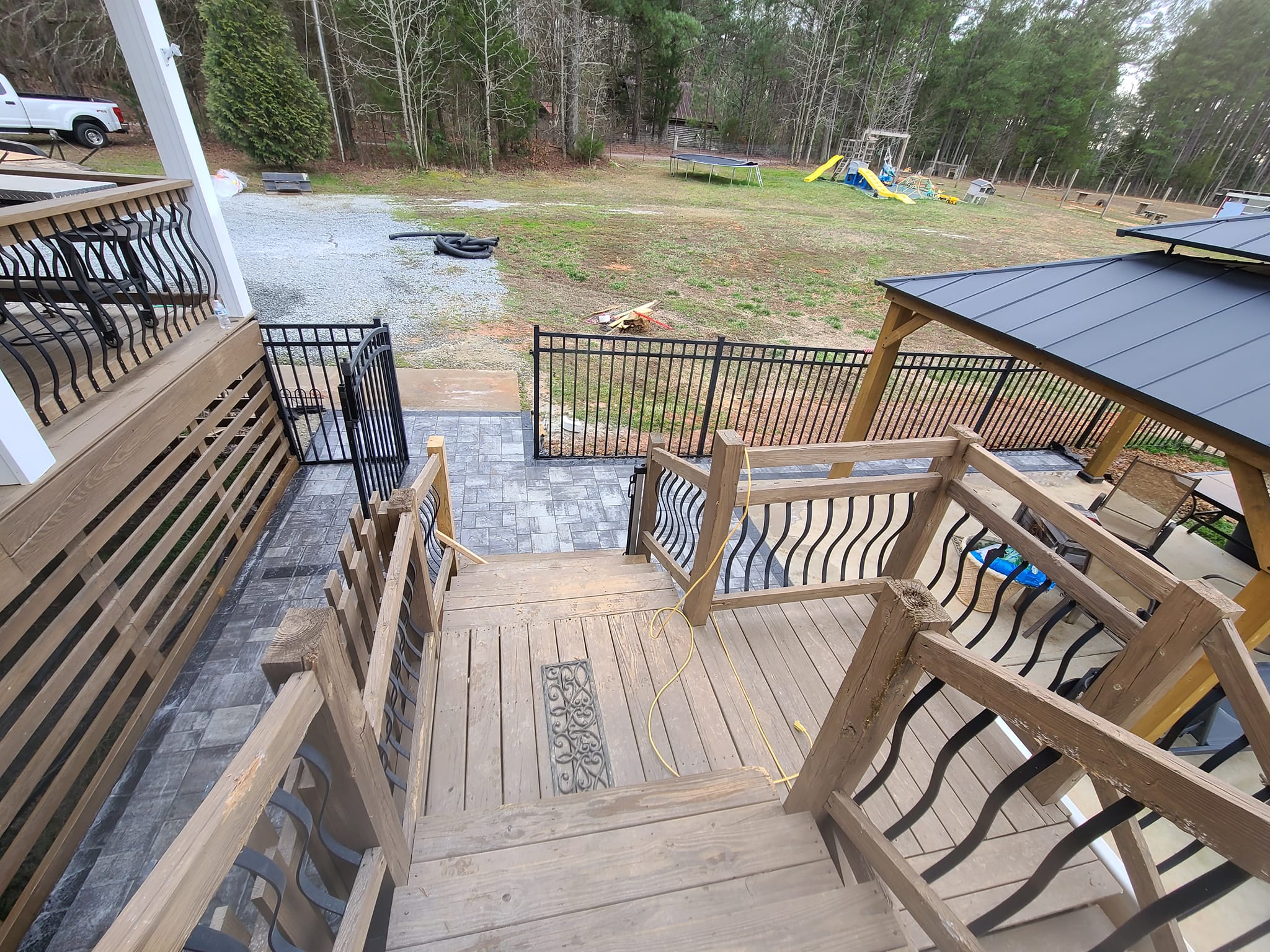
Finally, implementing native plants into a hardscaping plan enhances the integration of natural elements with human-made structures. Hardscaping features like stone paths, retaining walls, and patios can be seamlessly blended with native plants to create an aesthetically pleasing, functional space. This integration ensures that your landscaping improves both form and function, catering to human purposes while supporting nature.
Westscape Designs is dedicated to helping you craft landscapes that are not only stunning but also beneficial to the environment. By choosing to landscape with native plants, you’re making a lasting investment in the health of local ecosystems and in the sustainability of your property. Our team of experts can guide you in selecting the perfect native plants tailored to your specific surroundings and needs.
Adopting native plant landscaping is an actionable step toward a more sustainable lifestyle. It offers the dual benefits of a captivating garden that blends with the natural beauty of your region and a positive impact on the local environment. Choosing native plants with Westscape Designs means prioritizing ecological integrity while enjoying a vibrant, easily manageable garden.
/filters:no_upscale()/filters:format(webp)/media/1a933f1f-dbc3-4a62-b888-651e544b3bd4.jpeg)
/filters:no_upscale()/filters:format(webp)/media/9c6d55cb-b234-4e5b-bbdc-f5f92e3dfc94.jpeg)