Sustainable Landscaping Solutions for a Greener Tomorrow Mar 30, 2026
At the heart of sustainable landscaping is the idea of working harmoniously with nature. Start by assessing the natural characteristics of your property, including its soil type, climate, and native vegetation. Native plants are an integral component of sustainable landscaping because they are adapted to local conditions, reducing the need for excessive watering and fertilization. By incorporating a variety of native species, you can create a resilient ecosystem that supports local wildlife, such as pollinators and birds.
Water conservation is another key aspect of sustainable landscaping. Westscape Designs often recommends implementing xeriscaping principles, which focus on designing landscapes to reduce or eliminate the need for irrigation. This can involve the use of drought-tolerant plants, laying mulch to retain soil moisture, and installing efficient irrigation systems like drip irrigation. These techniques not only conserve water but also reduce your utility bills.
Composting is a simple yet effective way to enhance soil health while reducing waste. By setting up a composting system in your yard, you can recycle kitchen scraps and yard debris into nutrient-rich compost. This organic matter improves soil structure, increases its moisture-retaining capacity, and provides vital nutrients to your plants, reducing the reliance on synthetic fertilizers. A healthy soil foundation is crucial for the long-term vitality of your landscape.
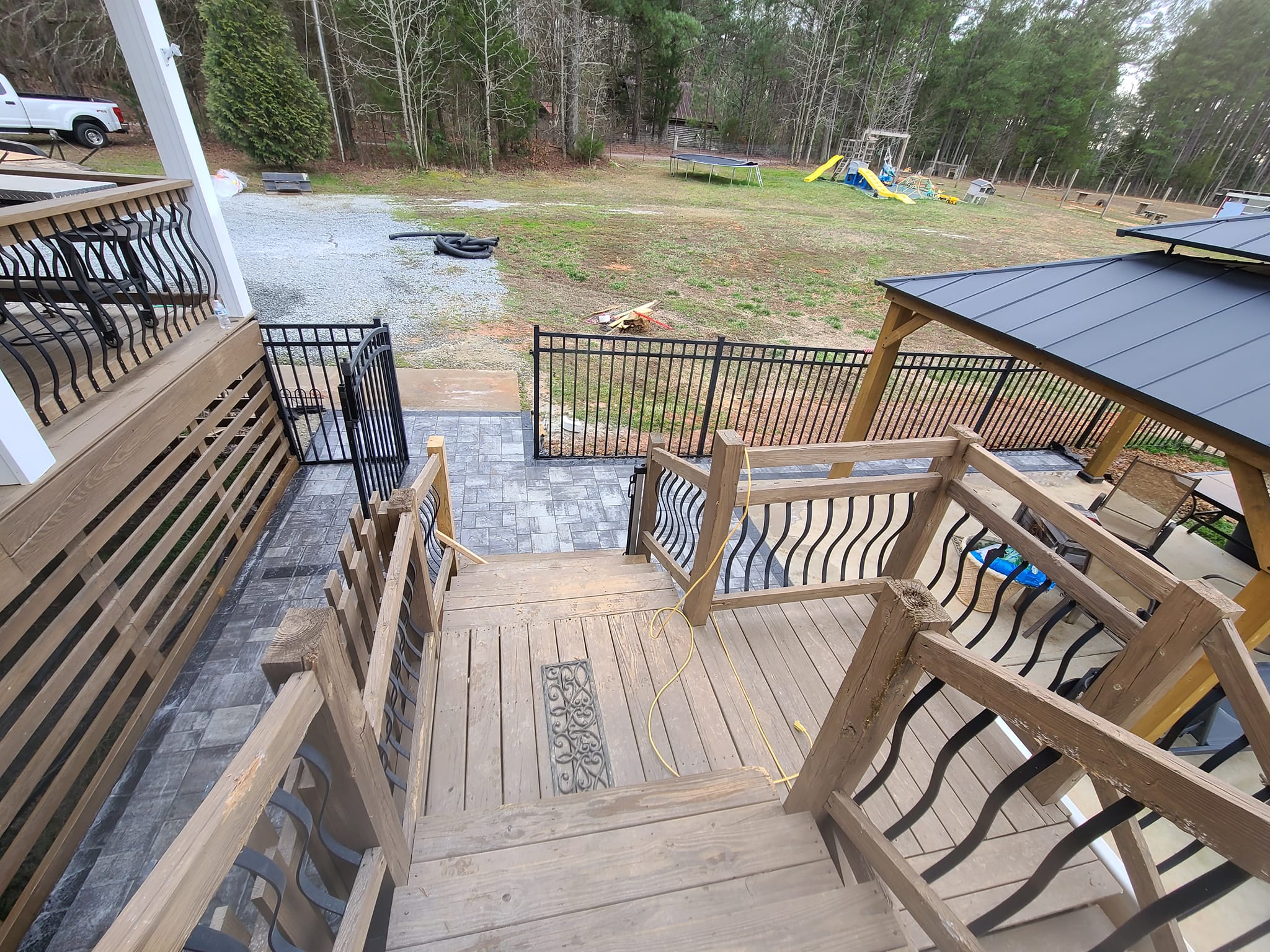
Incorporating hardscaping elements such as permeable pavements and rain gardens can further enhance your sustainable landscape. Permeable pavements allow rainwater to seep into the ground, reducing runoff and minimizing water pollution. Rain gardens, on the other hand, strategically collect and absorb rainwater, filtering it naturally through the soil. These features not only contribute to effective water management but also add visual interest and structure to your outdoor space.
Sustainable landscaping also involves thoughtful plant selection and strategic placement. Group plants with similar water and sunlight needs together to minimize maintenance and resource use. Vertical gardening is another trend gaining popularity, offering an innovative way to maximize space in smaller gardens. By using structures like trellises, you can create lush green walls that contribute to biodiversity and air quality.
For those looking to take their sustainable efforts a step further, consider integrating renewable energy sources, such as solar-powered garden lights. Not only do they reduce your carbon footprint, but they also create a stunning evening ambiance without adding to your electricity costs.
In conclusion, sustainable landscaping is a holistic approach that combines environmental responsibility with aesthetic appeal. By choosing eco-friendly practices, you can create a landscape that is not only beautiful but also beneficial for the environment. At Westscape Designs, our team is committed to providing clients with innovative, sustainable solutions tailored to their unique needs. Together, we can foster outdoor spaces that respect and protect our natural world, paving the way for a greener tomorrow. Through conscious design and mindful maintenance, your yard can become a thriving haven for both you and nature.
/filters:no_upscale()/filters:format(webp)/media/1a933f1f-dbc3-4a62-b888-651e544b3bd4.jpeg)
/filters:no_upscale()/filters:format(webp)/media/9c6d55cb-b234-4e5b-bbdc-f5f92e3dfc94.jpeg)